
YOUR Product
Discovery
We define the functional scope, structure, and architecture of your product, mapping components, user flows, and AI/automation opportunities. This ensures clarity, scalability, and zero gaps before development begins, while uncovering the challenges and bottlenecks that shape your roadmap.






Why Do You Need Product Discovery
Reasons to Invest in a Product Discovery
Legacy modernization
Your product needs a clear refactoring or rebuild plan without disrupting operations.
Enterprise custom development
You need a defined scope, architecture, and automation path before committing resources.
Post-PMF scaling
Your growing product requires documented architecture and an AI/automation strategy to scale safely.
Beyond MVP
You need a validated roadmap and stable architecture to evolve without accumulating tech debt.
Successful Product Discovery Cases
Each project below shows how structured discovery, architecture planning, and AI/automation analysis led to clear requirements, predictable delivery, and faster time-to-market.
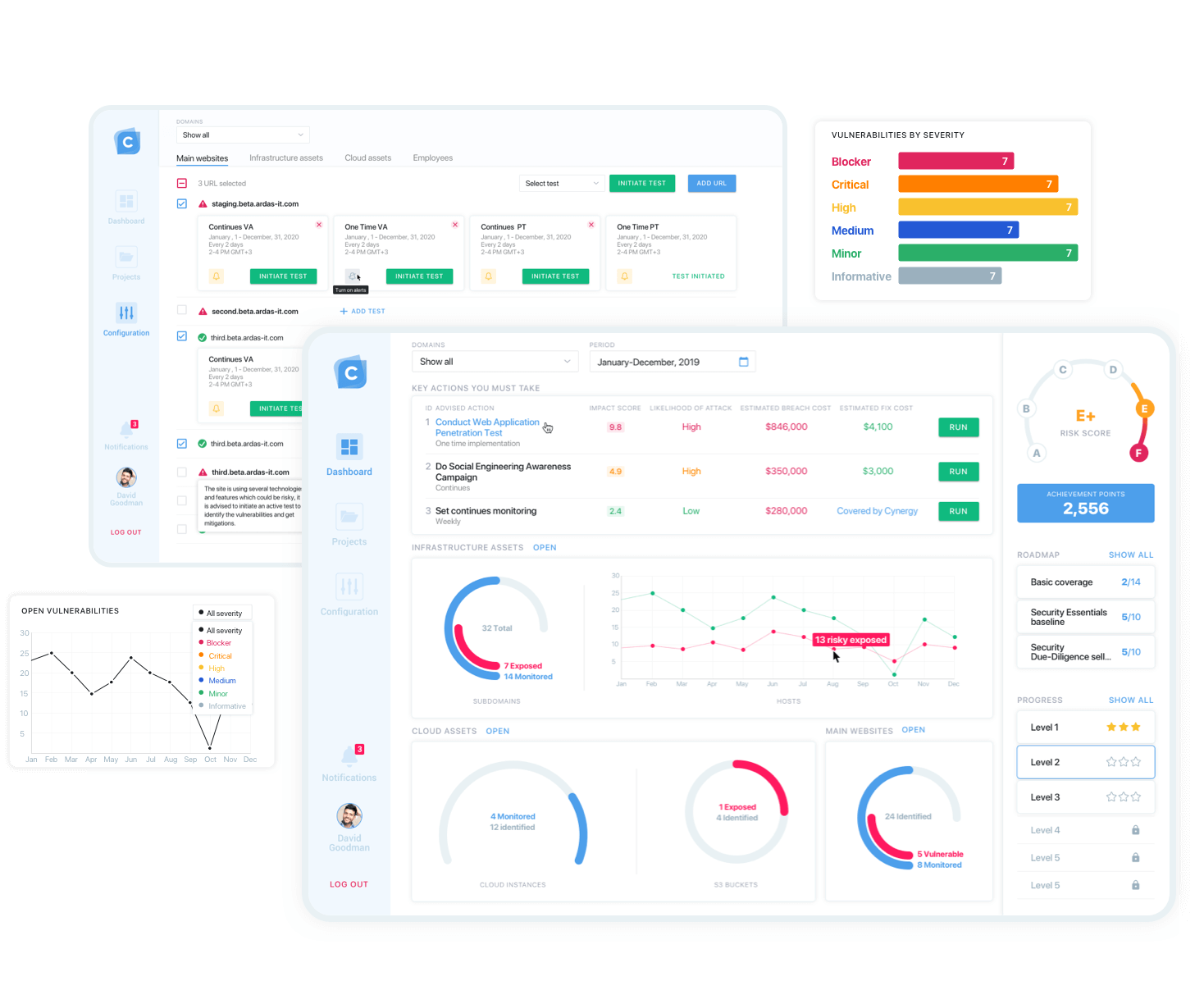
Product discovery for a security marketplace
A full discovery cycle designed to validate the business model, align stakeholders, and define a scalable MVP architecture.
- Discovery completed in 4 weeks with clear functional and non-functional requirements
- MVP scope streamlined to an executable version aligned with early adopters’ needs
- Architecture and delivery roadmap split into 4 controlled phases for predictable execution
- Development timeline significantly reduced thanks to clarified scope, risks, and dependencies
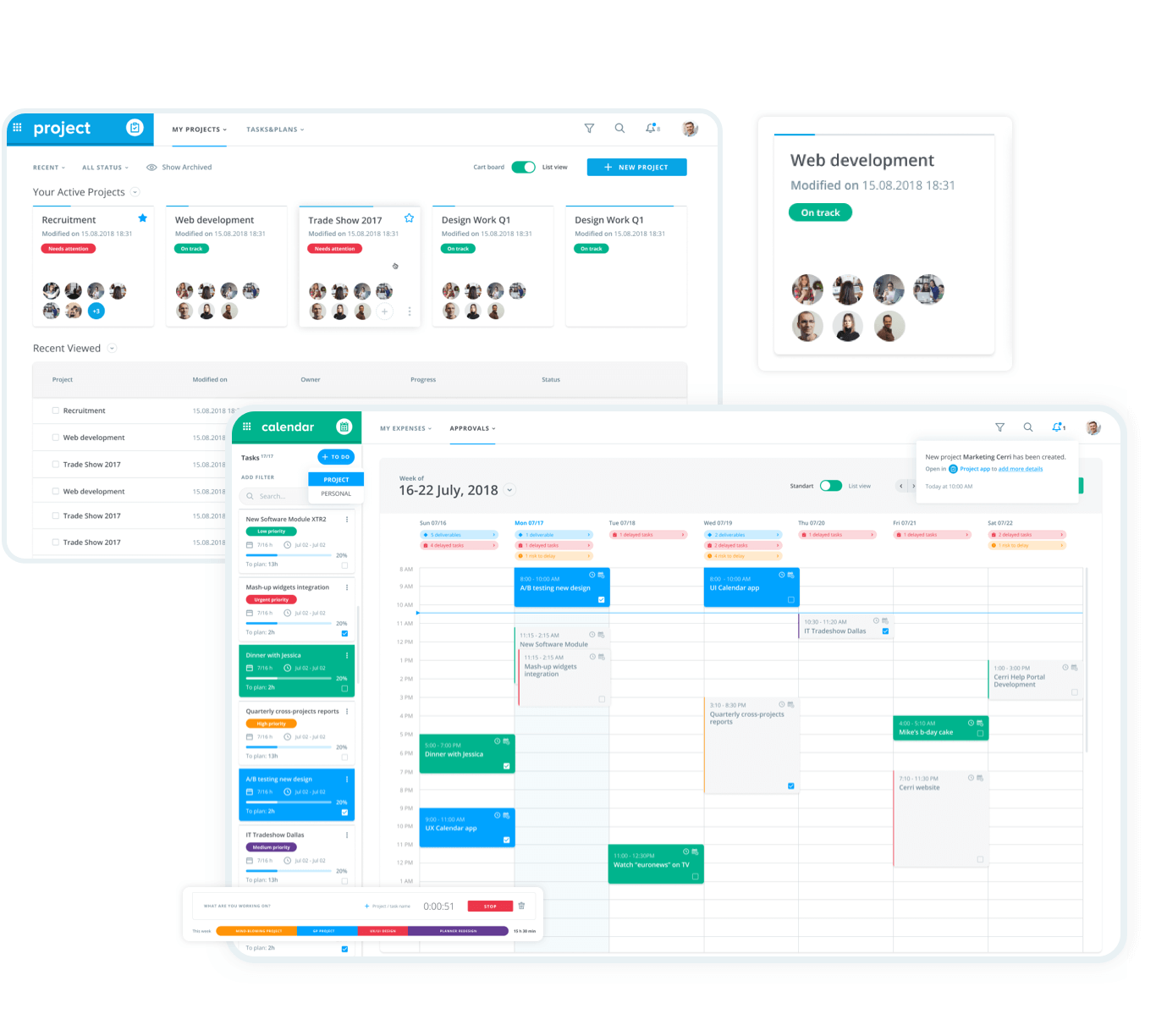
Product discovery and design made for a project management tool
This SaaS tool was launched earlier and sale process began faster.
- Product discovery completed in 3 weeks
- Development risks reduced by 180%
- The whole MVP was sliced into 2 versions
- The total development time reduced by 150%
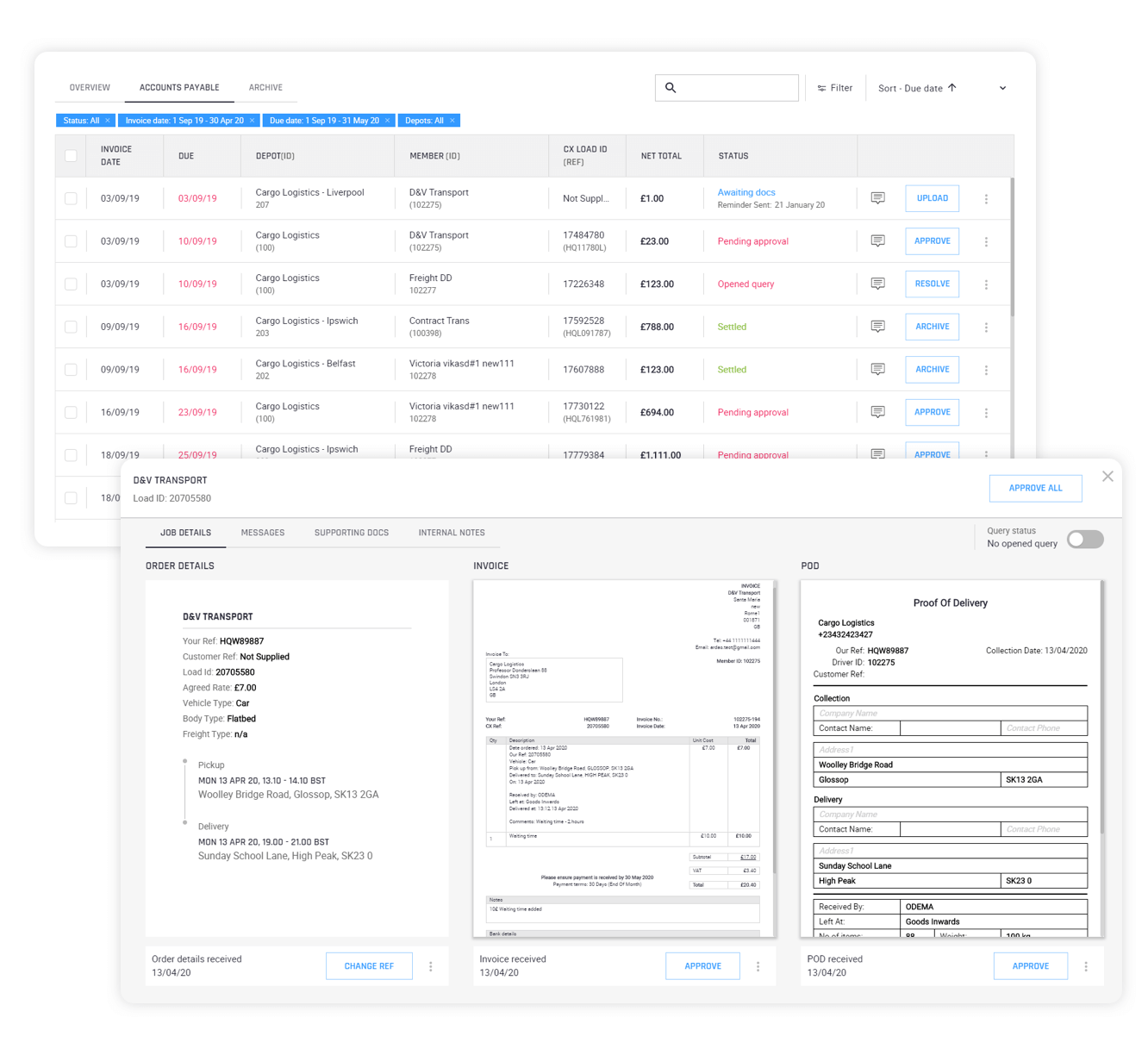
Product discovery and architecture for finance management app
The right market fit achieved due to the accurate requirement analysis.
- Product discovery completed in 3 weeks
- Technological stack optimized twice after detailed research
- The development plan included 5 releases
- The total development time reduced by 70%
Why working with us is safe?
Work for hire
IP for all software is 100% yours
ISO 9001 certified
Well-polished management and processes
ISO 27001 certified
The highest attention to security
NDA and DPA agreement
We take responsibility for nondisclosure of important business matters and privacy of your customers' data
Fully insured business
Even if something goes wrong from our side, you do not risk your money. Our company is insured to protect your invested money into project
Analysis & Architecture Deliverables
We translate your business goals, technical constraints, and AI/automation opportunities into a clear, execution-ready product blueprint. This ensures accurate estimates, predictable delivery, and scalable architecture from day one.
User Stories Set
A structured feature set with detailed flows, edge cases, acceptance criteria, and dependencies — aligned with real user needs and measurable business outcomes.
Wireframes & Interactive Prototype
Clickable, low-fidelity prototypes that visualize key workflows, validate logic early, and align stakeholders before development begins.
Technical Architecture Specification
A complete architecture outline covering system components, integrations, data flows, security requirements, recommended tech stack, hosting strategy, and AI/automation potential.
Project Plan & Discovery Roadmap
A milestone-driven execution plan with sprint breakdowns, resourcing, risk analysis, and a realistic budget and timeline you can rely on.
Product Discovery Workflow
A transparent, structured process that keeps your team aligned from day one. Each step sharpens requirements, validates assumptions, and ensures technical and business clarity before development begins.
Discovery & research
- Reviewing and defining business needs
- Midline reviewing of SOW from project stakeholders
- Brainstorming, documentation and contextual research
- Initial feature list work
- Providing a ballpark time & cost estimation and deadlines
Functional specification
- Technical analysis & detailed feature analysis
- Defining MVP scope
- Preparing user stories & cases
- Creating a visual prototype
- Data & server architecture, load & data growth plan
- Defining the technology stack
Project plan & Estimation
- Final reviewing of expected SOW from project stakeholders
- Detailed SOW time estimation
- Setting up the project release date
- Building and arranging a team
- An accurate budget estimation
Recognitions
and Partnerships








FAQ about Product Discovery Services
There are often many questions when and why evaluating product discovery. Here are the essentials.
What Is Product Discovery?
Product Discovery is the process of reducing uncertainty around a problem or idea to ensure the right solution is built for the right users. It provides clarity on scope, value, feasibility, and risks before development begins. It’s especially critical for post-PMF and enterprise teams aligning growth goals, technical constraints, and modernization needs.
Why Product Discovery Matters?
Without validating market value and technical fit, companies risk investing in features customers don’t need and architectures that don’t scale. Product discovery helps teams avoid costly misalignment and rework. It also ensures architecture, data flows, and automation/AI opportunities are assessed early — preventing scalability or integration issues later.
How Does AI or Automation Fit Into Product Discovery?
AI and workflow automation are now part of the discovery phase — not an add-on later.
During discovery, we identify:
- Processes that can be automated (manual work, repetitive decisions, approval workflows) AI use cases such as classification, smart search, personalization, or prediction
- Required data sources, gaps, and feasibility
- Cost–impact ratio (e.g., “reduce manual hours by 30%,” “cut response time <5 min”)
This ensures that AI/automation is aligned with business goals, technically feasible, and cost-effective before development starts.
Do I Need Product Discovery If I Already Have an MVP?
Yes, especially for post-MVP or post-PMF teams. Discovery helps assess technical debt, refine the product direction, validate new features, and prepare a scalable architecture for the next stage of growth.
How To Make Product Discovery Work In Saas?
Effective discovery means challenging assumptions before writing a single line of code. Teams clarify the problem, target users, workflows, and desired outcomes, then translate that into a precise technical blueprint. For SaaS, this includes mapping multi-tenant requirements, integration limits, security constraints, and future scaling needs.



Architect a Scalable, Feasible Product from the Start
We align business goals with technical constraints, defining features, estimating effort, and de-risking architecture decisions before the first line of code. Let’s scope it together.

Ryzhokhin